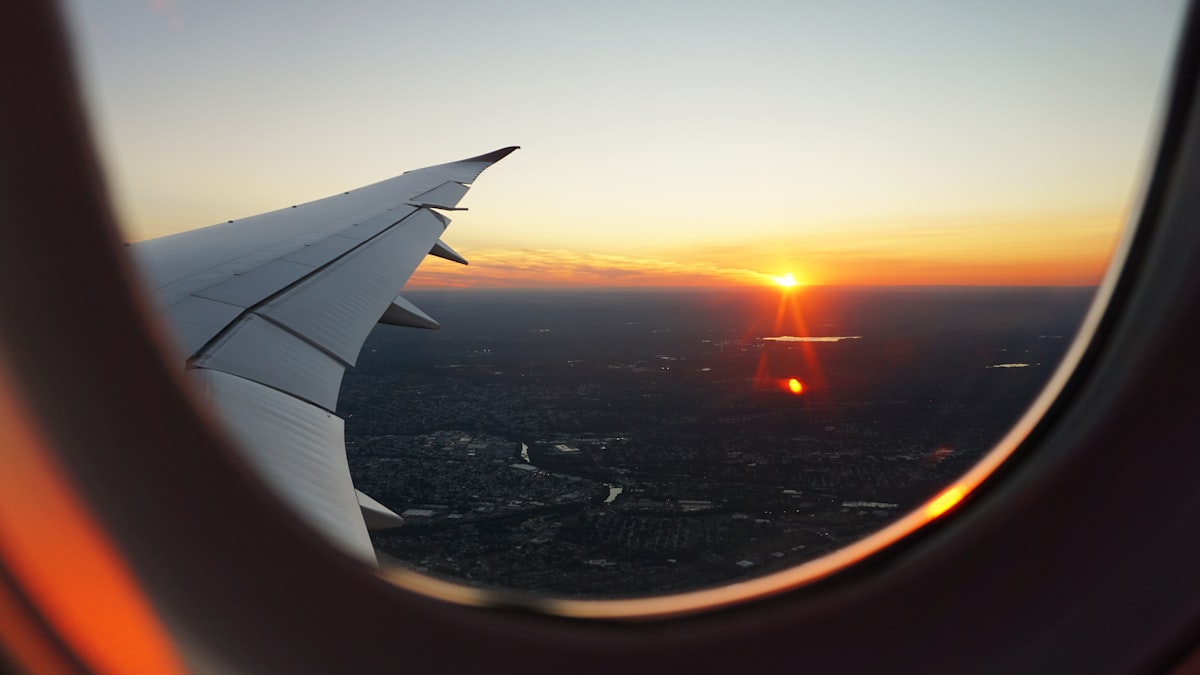
Travel Guides / Best Time to Visit India from the UK
The Best Time to Visit India from the UK
A month-by-month seasonal guide written for British travellers - comparing what you are escaping at home with what awaits across India's hugely varied climate zones.
For most British holidaymakers, "the best time to visit India" really means "when am I most likely to enjoy India and least likely to regret my decision?" The honest answer depends on where you are going, what you are escaping from in the UK, and how robust you are about heat or humidity. India is a sub-continent, not a country in the European sense - Delhi in January feels nothing like Kochi in January - so the question deserves a region-by-region answer.
The big picture: India's three seasons
Indian travel sites traditionally split the year into winter (November to February), summer (March to May) and monsoon (June to September), with a brief but lovely post-monsoon window in October. From a UK perspective, the winter window is overwhelmingly the most popular - and for good reason. Daytime temperatures in northern India during January and February sit around 18-22°C, exactly the conditions that make sightseeing in shorts pleasant rather than punishing.
October - the underrated month
If you can take leave between half-term and Diwali, October is arguably the finest month for a first-time visit. The monsoon has cleared the dust from the Delhi air, the countryside is at its greenest, the lakes around Udaipur are full, and temperatures across the north have dropped from the summer fury but not yet hit the foggy chill of late December. Diwali typically falls in late October or early November and is a magical time to be in any north Indian city - although flights from Heathrow to Delhi spike in price two weeks beforehand.
November to February - the British peak
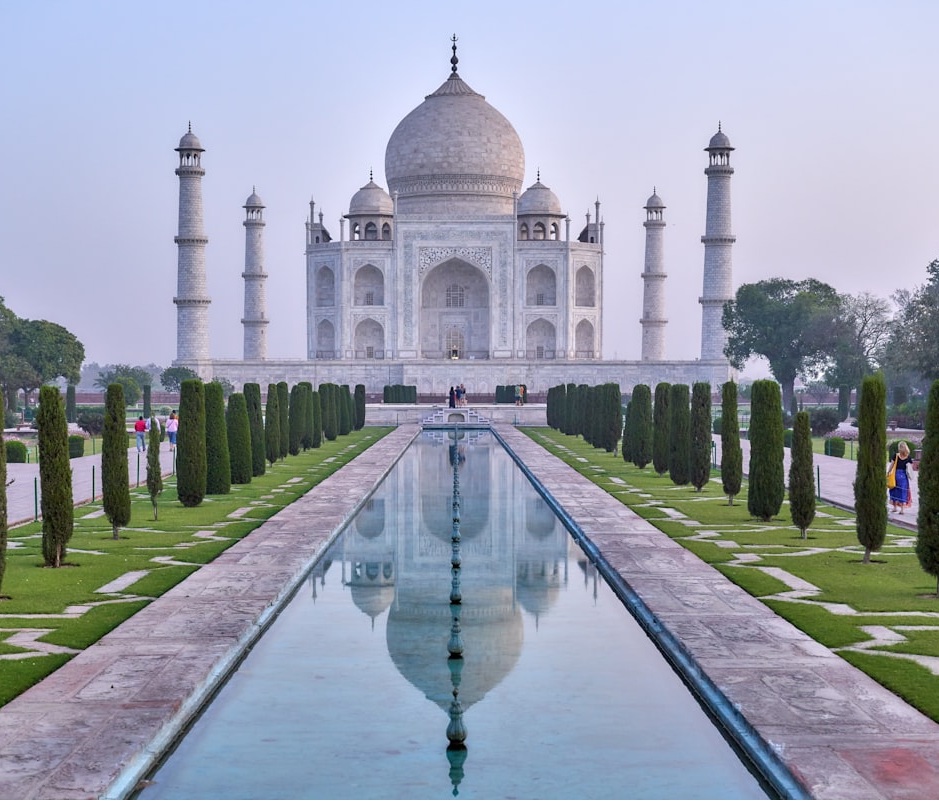
This is when half of London seems to land in Delhi. The Golden Triangle (Delhi, Agra, Jaipur) is at its absolute best, Rajasthan's deserts are cool enough to ride a camel without melting, and the Kerala backwaters offer 28°C sunshine while your friends at home are scraping ice off the car. The trade-offs: northern India suffers genuine winter fog in late December and early January, which delays domestic flights and can wrap the Taj Mahal in mist until 10am; and prices for hotels in Goa, Kerala and Rajasthan are at their annual high over Christmas and New Year.
"If you have only one week and want guaranteed sunshine, January in Kerala is the British traveller's failsafe - daytime temperatures in the high 20s, low humidity, and barely a cloud for four straight weeks."
March - Holi and shoulder-season value
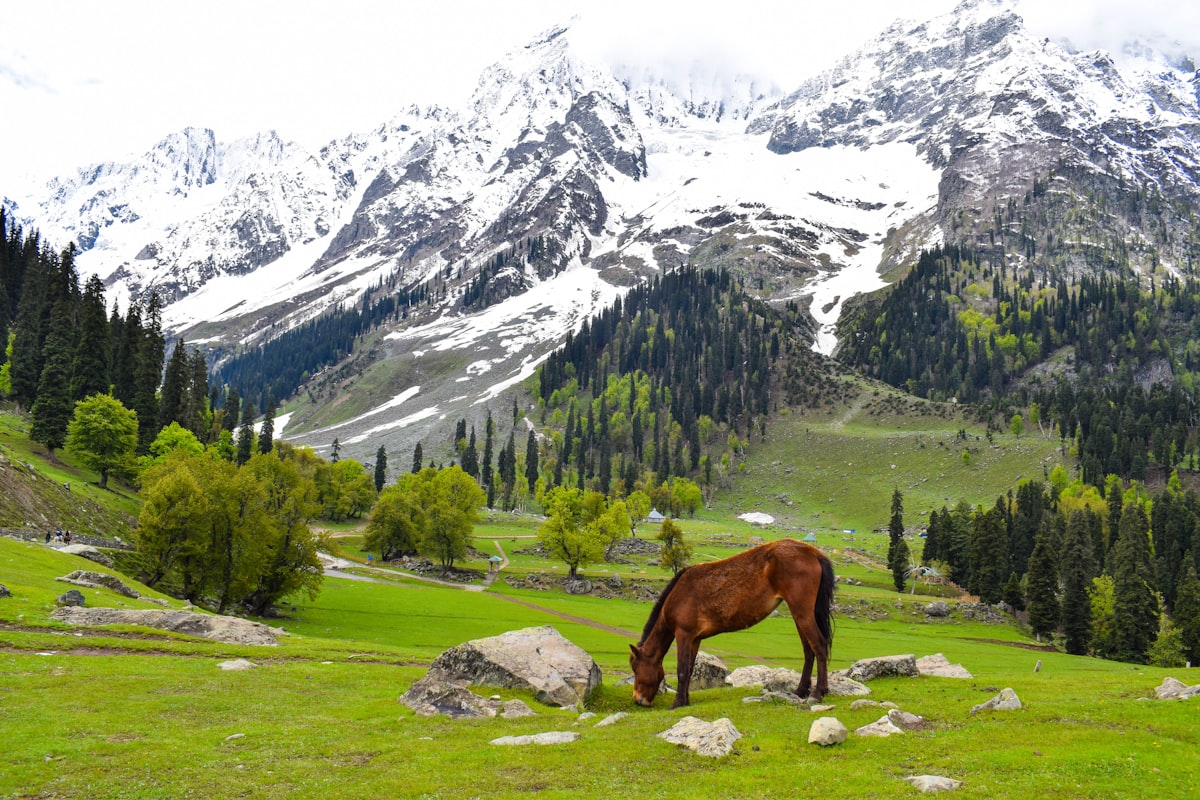
March is the month most British couples we speak to wish they had chosen. Northern temperatures climb to a perfectly tolerable 28-32°C, the crowds thin out as European tourists head home, hotel rates drop sharply after the first week of the month, and Holi - usually in mid-March - gives the trip an unforgettable centrepiece. Cherry blossoms appear in Kashmir, the Himalayan foothills around Rishikesh are spectacular, and the south remains warm without being oppressive.
Picked your travel window? Get your eVisa sorted.
Apply for India eVisa →April and May - for the heat-tolerant
The plains heat up dramatically - Delhi can reach 45°C - and most British travellers should not go to Rajasthan or Agra in these months. However, this is the perfect window for the Himalayas. Ladakh's high passes open in May, Manali and Shimla offer cool evenings, and tea-garden trekking in Darjeeling is glorious. Easter half-term is one of the few windows when a UK family can comfortably trek in north India.
June to September - the monsoon
British received wisdom holds that monsoon = avoid. This is half-right. The Western Ghats, Kerala and Goa become genuinely uncomfortable, with mould in hotel rooms and roads occasionally cut off. But:
- Rajasthan becomes mysteriously beautiful - the desert blooms, the lakes refill, and crowds vanish.
- Ladakh sits in a rain shadow and offers India's only "summer dry" climate.
- Kerala's Ayurvedic season officially runs through the monsoon - your body absorbs treatments more effectively in the humidity, according to centuries of practice.
- Hotel prices fall by 40-60% against winter rates, and Heathrow direct flights are at their cheapest of the year.
Region by region for UK travellers
The Golden Triangle
Best: late October through March. Avoid: April to early July. Foggy mornings in late December can disappoint Taj Mahal photographers - book a sunrise visit for early February instead.
Kerala and the south
Best: December to March. The southern monsoon eases earliest, and by mid-November the backwaters around Alleppey are postcard-perfect. February is the sweet spot for combining beach and houseboat.
Goa
Best: November to early March. Goa's "season" is rigidly fixed by the European charter market - most beach shacks shut entirely from May to September.
The Himalayas and Ladakh
Best: May to September. This is the inversion of every other rule - UK summer is also Himalayan trekking summer. Ladakh's roads from Manali open in May and close in October.
The North-East and Andamans
Best: November to April for the Andamans (diving visibility is excellent January-March); October to April for Assam and Meghalaya. Note: a separate Restricted Area Permit may be required even with a valid eVisa.
UK school holidays planning: February half-term is the gold standard for an India family trip - flights still reasonable, weather ideal in the south. October half-term gives you a perfectly pleasant Golden Triangle. Avoid Easter for the plains, but consider Easter for the Himalayan foothills.
Festivals worth planning around
Three festivals shift the calendar significantly for British travellers. Diwali (late October / early November) lights up the entire north - beautiful, but book hotels four months ahead. Holi (March) is the festival of colour - best experienced in Mathura, Vrindavan or Jaipur. Pushkar Camel Fair (November) is a once-in-a-lifetime Rajasthani spectacle that fills every guest house within 60 miles. UK travel agents start booking Pushkar accommodation in February.
The verdict for British travellers
If you want one answer: late January or February, flying from a UK airport into Kerala or Delhi, gives you the highest probability of a trouble-free, weather-perfect India holiday. October is the second-best window, March a close third for those who don't mind a little more warmth. The monsoon is for the experienced and the curious. The hot summer plains belong to the locals.
Whichever month you settle on, apply for your eVisa at least one week before you fly - the weather may be perfect, but a missing visa will ruin the holiday faster than any rain ever could.
Related guides
Visa Guide
Complete eVisa Guide for UK Citizens
Documents, processing and arrival expectations.
Read article