Processing
Applying from London Step by Step
A walkthrough of the portal with the small mistakes UK applicants tend to make.
Read articleEverything a British passport holder needs to know before applying - from eligibility and document checklists to processing windows and the arrival experience at Indian airports.
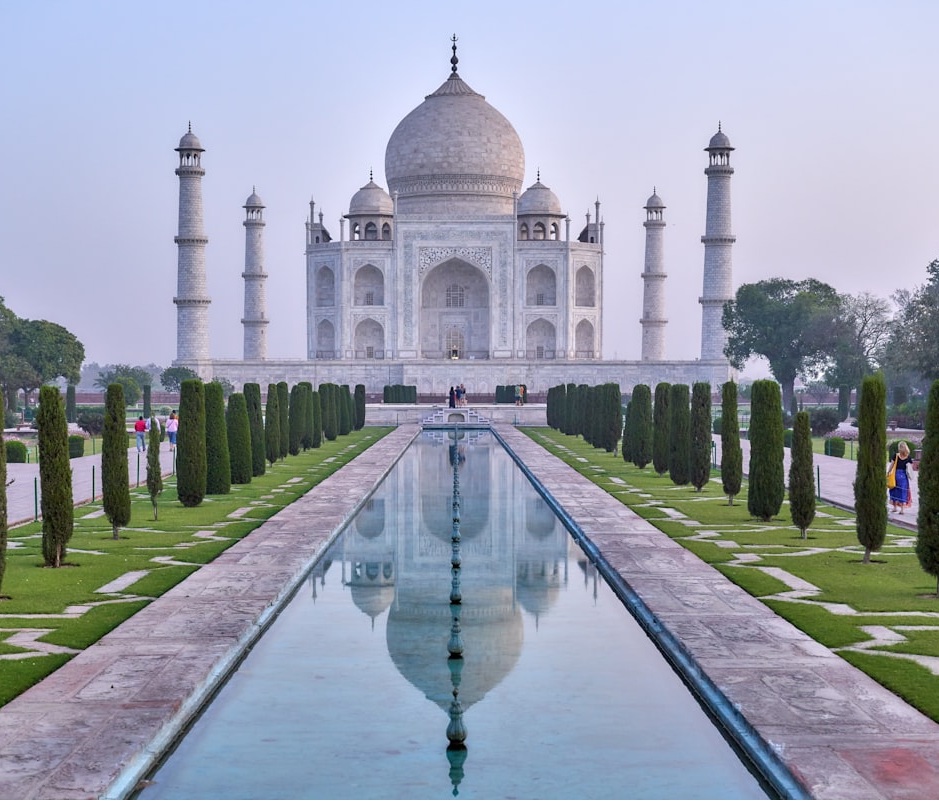
India remains one of the most popular long-haul destinations for British travellers, with hundreds of thousands of UK passport holders flying out from London, Manchester, Birmingham and Edinburgh each year. For most leisure and short business trips, the simplest route in is the India eVisa - an entirely online travel authorisation that has replaced the older paper visa for the vast majority of British applicants. This guide is written for UK citizens preparing to apply in 2026 and covers the practical detail you will not always find on official portals.
Yes. British citizens are firmly on the list of more than 165 nationalities permitted to apply for the India eVisa, and the United Kingdom is in fact among the top three issuing markets globally. Eligibility extends to British Citizens, British Nationals (Overseas), and most British Overseas Territories Citizens holding a full ten-year passport. Those travelling on emergency travel documents, or on diplomatic or official passports, must instead apply for a sticker visa through the Indian High Commission in London or one of the VFS Global centres around the UK.
Most British holidaymakers will fall into one of four categories. Picking the right one at the start saves you reapplying later.
For an overview of fees by category, see the current India eVisa fees page.
India's online portal is comparatively forgiving, but it expects clean, well-lit uploads. Have the following to hand before you start:
"Nine in ten British applications that go to manual review do so because the uploaded photograph has the wrong background or shadows on the face. Spending two minutes on a clean photo at home saves two days of waiting."
The form itself takes most British applicants between fifteen and twenty-five minutes to complete in one sitting. You will be asked for biographical details exactly as they appear in your passport, your parents' details (this surprises some UK applicants but is standard for Indian visas), your education and current occupation, your UK address, and the address of where you intend to stay in India for at least the first night. You should also have your flight details ready - though firm bookings are not required, a planned itinerary makes the form quicker to fill.
Ready to start your application?
Apply for India eVisa →In normal circumstances, British applicants receive their approved eVisa within 24 to 72 hours of submission. Around major Indian festivals - particularly Diwali in late October and Holi in March - processing queues lengthen and applications can take four to five working days. Our standing advice for UK travellers is to apply at least one full week before your departure date and certainly no later than four days out.
British travellers may enter India through 31 designated airports and five seaports while holding an eVisa. The big-six gateways that take most UK flights are Delhi (DEL), Mumbai (BOM), Bengaluru (BLR), Hyderabad (HYD), Chennai (MAA) and Kochi (COK). On arrival you will be directed to the dedicated eVisa counters - these are now clearly signposted in English at all major airports - where biometrics are captured and your passport is stamped with the actual entry visa. The process is unhurried but usually quicker than the regular foreigner queue.
Since 2025 all foreign arrivals - including British citizens - must also have submitted India's e-Arrival Card within 72 hours of their flight. This is separate from the eVisa itself; you can submit it via the e-Arrival Card portal before you leave the UK.
The eVisa is intended for short-stay leisure, business or medical visits. You cannot study, take paid employment, work as a journalist, undertake missionary work or do mountaineering in restricted regions on this authorisation. Visiting protected areas in the North-East and the Andaman & Nicobar Islands also requires an additional permit, even with a valid eVisa. For these activities a regular sticker visa, applied for via the Indian High Commission in London or VFS Global in Manchester, Edinburgh or Birmingham, is the correct route.
The questions our UK readers ask most often: "Can I use the same eVisa to fly in and out via different airports?" Yes, provided both are on the approved list. "Does the five-year eVisa really mean I can stay five years?" No - the validity is five years but each individual visit is capped at 90 days (180 for citizens of certain countries; UK citizens fall under the 90-day rule). "Will I have a problem if I have Pakistani heritage on my UK passport?" You may receive additional questions, but UK passport holders with Pakistani-origin parents or grandparents are routinely approved - just complete those fields honestly.
The India eVisa has dramatically simplified travel for British citizens, removing the queues at the High Commission and the wait for couriered passports. Apply a sensible week in advance, take care over the photograph and address fields, and you will land in India with little more than your passport, a printed PDF and the prospect of a remarkable trip ahead.
A walkthrough of the portal with the small mistakes UK applicants tend to make.
Read article
30-day, one-year and five-year tourist eVisas explained for UK tourists.
Read article
The mandatory pre-arrival declaration for British travellers.
Read article